
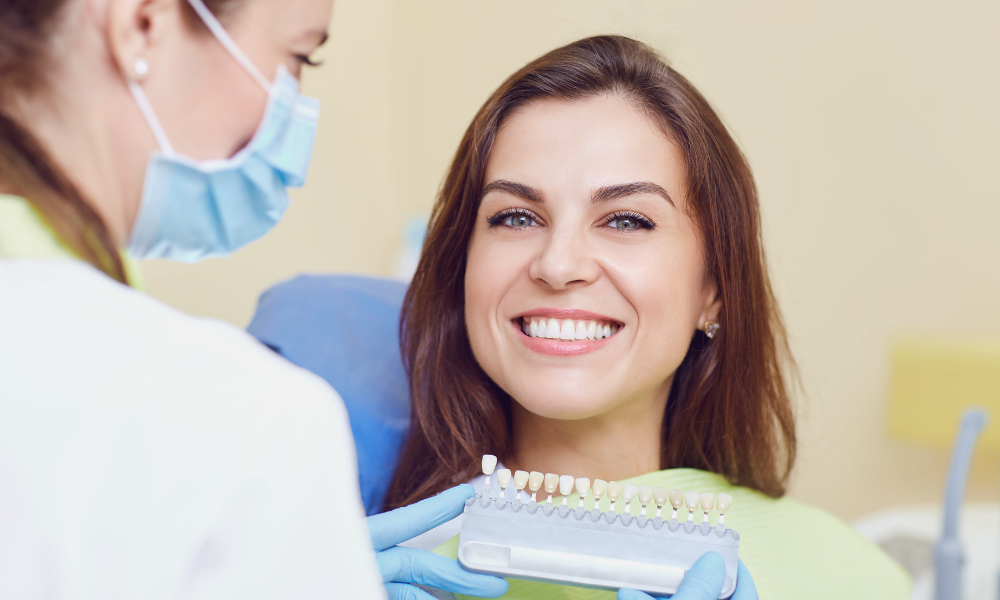
Achieve a Sparkling Smile With Dental Teeth Whitening
Teeth whitening is a popular dental procedure that improves the appearance of teeth by removing stains and discolouration. This can be accomplished using a variety of approaches, including professional in-office treatments, at-home kits offered by dentists, and over-the-counter items. Professional treatments usually produce faster and more dramatic results due to the use of stronger bleaching ingredients. Maintaining oral hygiene and avoiding foods and beverages that cause discoloration can assist to extend the effects of whitening. Always consult a dentist to decide the best and safest option for your teeth.
What is professional teeth whitening?
Professional teeth whitening is a dental procedure performed by a dentist to lighten the color of your teeth and remove stains or discoloration. It typically involves the use of stronger bleaching agents compared to over-the-counter products, ensuring more effective and longer-lasting results. The process can be done in-office, often with the use of laser or light-activated systems, or with custom-fitted take-home kits provided by the dentist. Professional whitening is considered safe when performed under dental supervision, minimizing the risk of tooth sensitivity and gum irritation.
WHAT ARE THE DIFFERENT KINDS OF TEETH WHITENING PRODUCTS AVAILABLE?
Teeth whitening products include over-the-counter options like whitening toothpaste, strips, and gels, as well as professional treatments from dentists such as in-office bleaching and custom-fit trays. Additionally, there are natural remedies like baking soda and hydrogen peroxide, though their effectiveness varies.

1
In Office Whitening : In-office whitening is a professional dental technique that yields the most rapid and dramatic effects. A dentist monitors the use of a high-concentration whitening substance to the teeth, which is typically triggered by a special light or laser. The procedure usually takes about an hour and can lighten teeth several shades in one session.
2
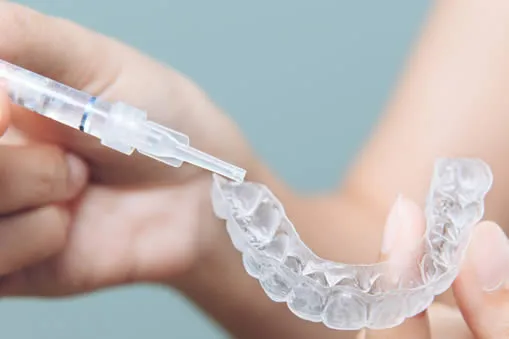
Professional at-home Whitening Kits: Professional at-home whitening kits are provided by dentists and include custom-fit trays and a higher concentration bleaching gel than over-the-counter products. These kits are tailored to fit your teeth precisely, ensuring even and effective whitening. The process involves wearing the trays for a specified period daily, usually for a few weeks.
3
Over the Counter Whitening Kits : Over-the-counter whitening kits are readily available and include options like whitening strips, gels, and one-size-fits-all trays. These products use lower concentrations of bleaching agents compared to professional treatments. While they are more affordable and convenient, results are generally less dramatic and take longer to achieve.
What Are The Side Effects Of Overbleaching Your Teeth?
1
Tooth Sensitivity : Enhanced sensitivity to hot, cold, and sweet foods and beverages.
2
Gum Irritation : An irritated or burning sensation in the gums and sensitive tissues.
3
Enamel damage : Enamel damage is the erosion or weakening of the tooth enamel, which makes the teeth more prone to decay.
4
Uneven Whitening : Teeth that are patchy or unevenly coloured.
5
Translucency: Teeth can become more transparent or seem blue.
6
Pain or Discomfort: During and after treatment, the teeth and gums may be uncomfortable or painful.
Tips On Managing Tooth Sensitivity From Teeth Whitening
1
Use a desensitizing toothpaste before and after teeth whitening treatments.
2
Avoid hot or cold drinks and food for a few hours after teeth whitening.
4
Use a straw when drinking acidic beverages to prevent them from coming into contact with your teeth.
5
Avoid acidic foods such as citrus fruits, tomato sauce, and vinegar.
6
Use a soft-bristled toothbrush to prevent further irritation to sensitive teeth.
7
Avoid aggressive brushing and use a gentle circular motion instead.
8
Take pain relievers such as ibuprofen or acetaminophen to relieve sensitivity.
8
Avoid using teeth whitening products too frequently.
10
Consult with your dentist if your teeth sensitivity persists for more than a few days after teeth whitening.
Frequently Asked Questions About Professional Teeth Whitening
The degree of whitening varies from person to person, but most people can expect to see their teeth become 2-8 shades lighter.
A professional teeth whitening treatment typically takes around 60-90 minutes to complete.
Teeth whitening is generally not recommended for children under the age of 16, as their teeth and gums are still developing.
Teeth whitening is generally considered safe when performed under the supervision of a dental professional. However, overuse or misuse of whitening products can lead to negative side effects.
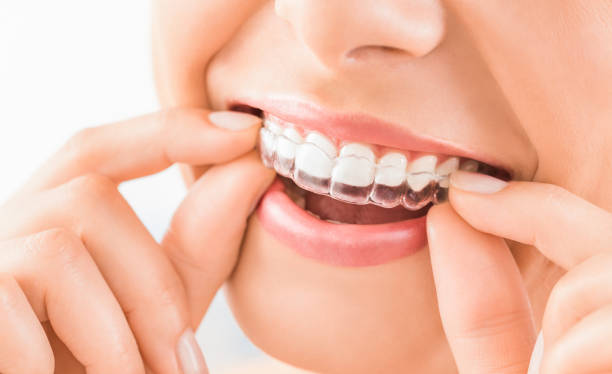
Invisalign
Invisalign is an easy and efficient way for adults and teens alike to straighten their teeth. Rest assured, you’re working with the experts. Our team has years of experience with Invisalign and we’re excited to offer this technology to patients. Unlike traditional metal brace Invisalign is Virtually Invisible Invisalign uses clear acrylic aligners that are discreet and comfortable. No Wires or Brackets Invisalign straightens misaligned teeth without unsightly, sharp metal braces. Removable During Treatment Wear your retainers for 23 hours a day, pop them out while eating and brushing. Fast Results Most treatments take 6 months to 2 years depending on the complexity of the case.

Gum Depigmentation
Gum depigmentation, also known as gum bleaching, is a cosmetic dental procedure that removes or lightens dark spots or patches on the gums. It can be used to treat gums that are discolored or uneven due to a number of factors, including:
Genetics, Smoking, Skin color, Certain medications, Medical conditions, Dental filling materials, and Drug poisoning.
Gum depigmentation can be performed using a laser or chemical treatment:
Laser treatment: A non-invasive procedure that vaporizes the pigmented tissue. The new tissue that grows during healing is usually pink.
Chemical treatment: Uses chemical agents like hydrogen peroxide to remove pigmented tissue.
The procedure is usually painless and takes less than an hour to complete. Patients can expect to be able to speak and eat normally immediately after the treatment. Full healing usually takes about two weeks.