

Gum Disease(Periodontics):
Gum disease, also known as periodontal disease, is an infection that affects the tissues that surround and support teeth. It is primarily caused by plaque accumulation, a sticky bacterial coating. The early stages, known as gingivitis, are characterised by gum irritation and bleeding. If left untreated, it can develop into periodontitis, resulting in receding gums, bone deterioration, and tooth loss. Good oral hygiene, which includes frequent brushing, flossing, and dental check-ups, is essential for avoiding and controlling gum disease. Professional cleaning, medicines, and, in severe situations, surgery are all options for treatment.
what is gum disease treatment?
Gum disease treatment involves professional dental cleanings to remove plaque and tartar, scaling and root planing to thoroughly clean diseased gum pockets, and, in extreme situations, surgical procedures like as flap surgery or grafts. Maintaining proper oral hygiene, such as frequent brushing and flossing, as well as routine dental check-ups, is critical for effectively preventing and managing gingivitis.
How Is Gum Disease Linked To Other Health Issues?
Gum disease is connected to a variety of health conditions because bacteria in the mouth enter the circulation and cause inflammation. This inflammation can lead to systemic issues including heart disease, diabetes, respiratory infections, and pregnancy difficulties. Additionally, gum disease has been linked to a higher risk of stroke and Alzheimer’s disease. Proper oral hygiene and frequent dental check-ups are essential for both dental health and general well-being.
Early Symptoms of Gum Disease:
1
Red, Swollen, or Tender Gums
2
Bleeding Gums
3
Persistent Bad Breath
4
Receding Gums
5
Sores in the Mouth
6
Sensitive Teeth
7
Painful Chewing
8
Loose Teeth
9
Pus Between Teeth and Gums
10
Changes in Bite
Treating of Gum Disease:
The primary cause of gum disease is plaque buildup, which contains germs that irritate the gums. Early indicators of gum disease can usually be treated by improving oral hygiene habits, such as daily brushing and flossing to remove plaque. If plaque hardens into tartar (calculus), eradication requires a professional dental cleaning. For advanced gum disease, more comprehensive treatment may be required, including a referral to a periodontist, a specialist trained to treat gum and bone issues.
Lasers
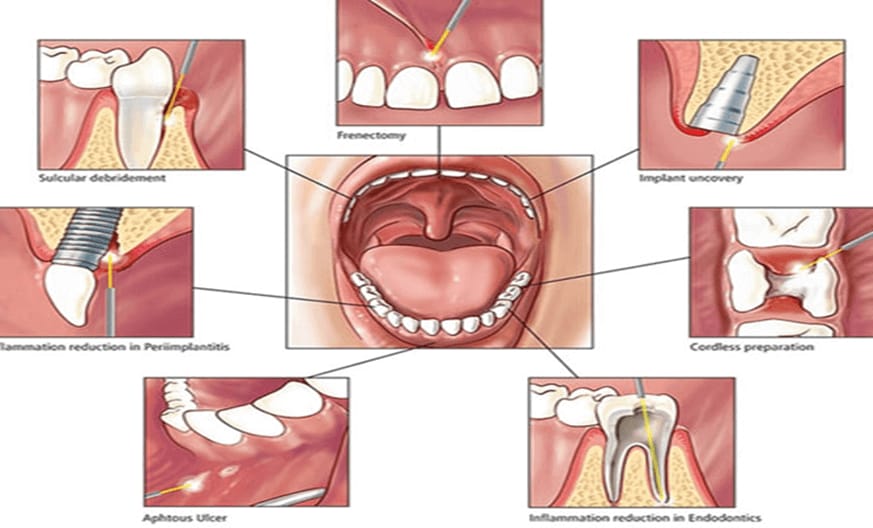
Lasers in advanced gum treatment represent a cutting-edge approach to addressing various periodontal (gum) issues. Laser technology in dentistry is gaining popularity due to its precision, efficiency, and minimally invasive nature.
Laser gum treatment offers a modern, patient-friendly solution for managing gum disease, enhancing gum aesthetics, and improving overall dental health. It is becoming increasingly common in advanced dental practices for its numerous benefits.
Here are some key benefits and uses of lasers in gum treatment:
Minimally Invasive: Unlike traditional methods that may involve scalpels and sutures, laser gum treatments are less invasive. This means patients experience less discomfort, reduced bleeding, and quicker recovery times.
Effective in Treating Gum Disease: Lasers are highly effective in targeting and removing infected tissue around the gums caused by periodontitis (advanced gum disease). They also sterilize the area, reducing the chance of infection, and promote healthy tissue regeneration.
Gum Reshaping and Contouring: Lasers are used to reshape gum lines, especially in cases of “gummy smiles” or uneven gum lines. The laser precisely removes excess gum tissue without the need for traditional surgery.
Bacterial Reduction: One of the major advantages of laser gum treatment is its ability to kill bacteria deep in the gum pockets, helping to control infection and improve oral health.
Bone Regeneration: In more advanced cases of gum disease, lasers can be used to stimulate bone and tissue growth around teeth that have experienced bone loss due to infection.
Reduced Healing Time: Since laser treatments are less invasive and cause minimal damage to surrounding tissue, patients often experience faster healing times and require fewer follow-up visits.
Additional Frequently Asked Questions About Periodontal Disease
Technically, periodontal disease is not contagious. However, the bacteria that causes the inflammation is contagious and can be transmitted through saliva. If you have gum disease, you should avoid sharing eating utensils.
Practicing good oral hygiene habits such as brushing twice a day, flossing daily, and visiting the dentist regularly for cleanings can help prevent periodontal disease.
While genetics may play a role in periodontal disease, environmental factors such as poor oral hygiene and smoking are more significant factors in its development.
Early-stage periodontal disease can be reversed through improved oral hygiene habits, regular professional cleanings, and a healthy diet. However, advanced cases of periodontal disease may require more extensive treatment.
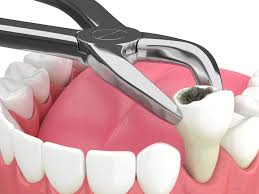
Extractions
Removing a tooth is always a last resort, but may be necessary when dealing with severe decay, infection, or tooth with poor prognosis.