
Bridges and Crowns(Prosthodontics)
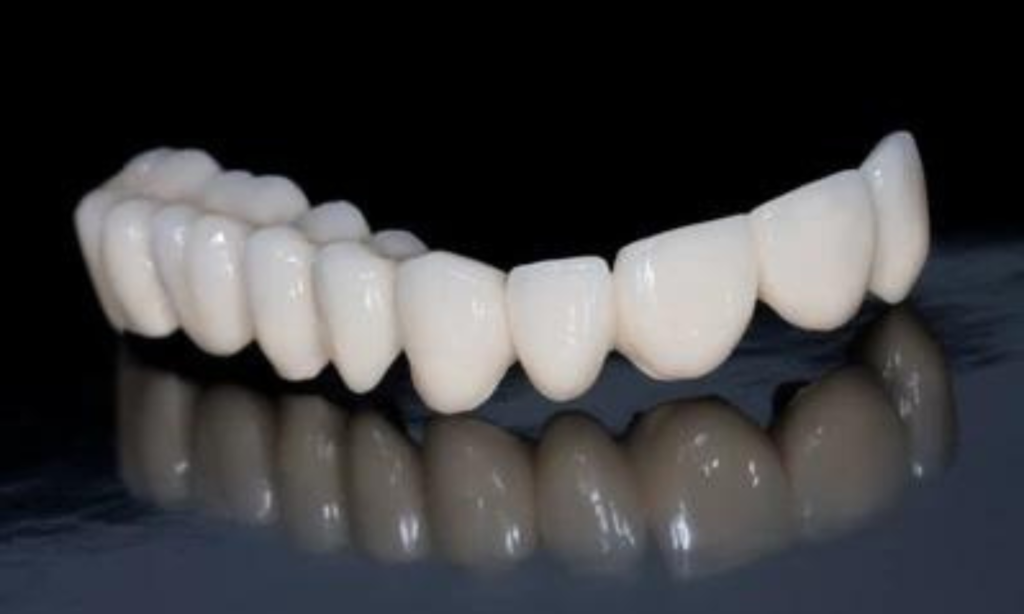
Bridges and crowns are essential components of modern dental care, providing efficient solutions for damaged or missing teeth. Bridges are fixed prosthetic devices that smoothly replace one or more missing teeth by anchoring to surrounding teeth or implants. They not only restore functionality, but also improve the appearance of your smile. Crowns, on the other hand, are custom-made caps that cover and protect broken or diseased teeth while keeping their structural integrity and strength. Bridges and crowns use innovative materials and precision procedures to provide durable and natural-looking solutions tailored to each patient’s specific needs, assuring long-term dental health and confidence in your smile.
why do you need a dental crown?
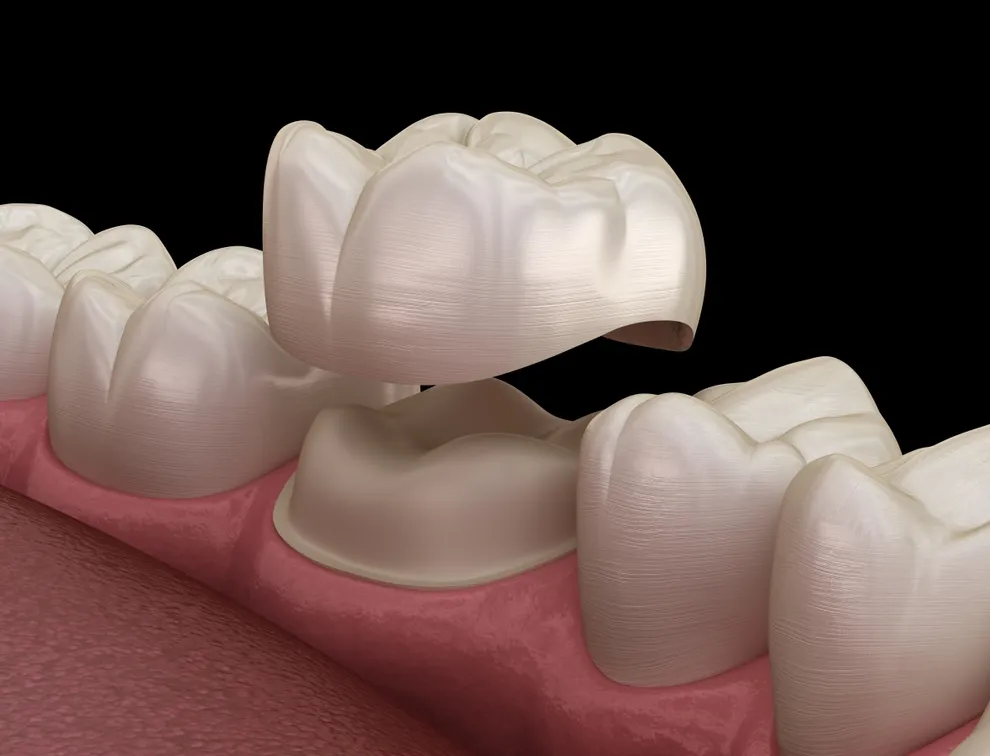
A dental crown is required to repair and protect a broken or weakened tooth. It completely covers the tooth, enhancing its form, size, strength, and attractiveness. Crowns are needed after surgeries like root canals or for teeth with big fillings, preventing future decay or fracture and ensuring the tooth operates correctly.
why do you need a dental bridge?
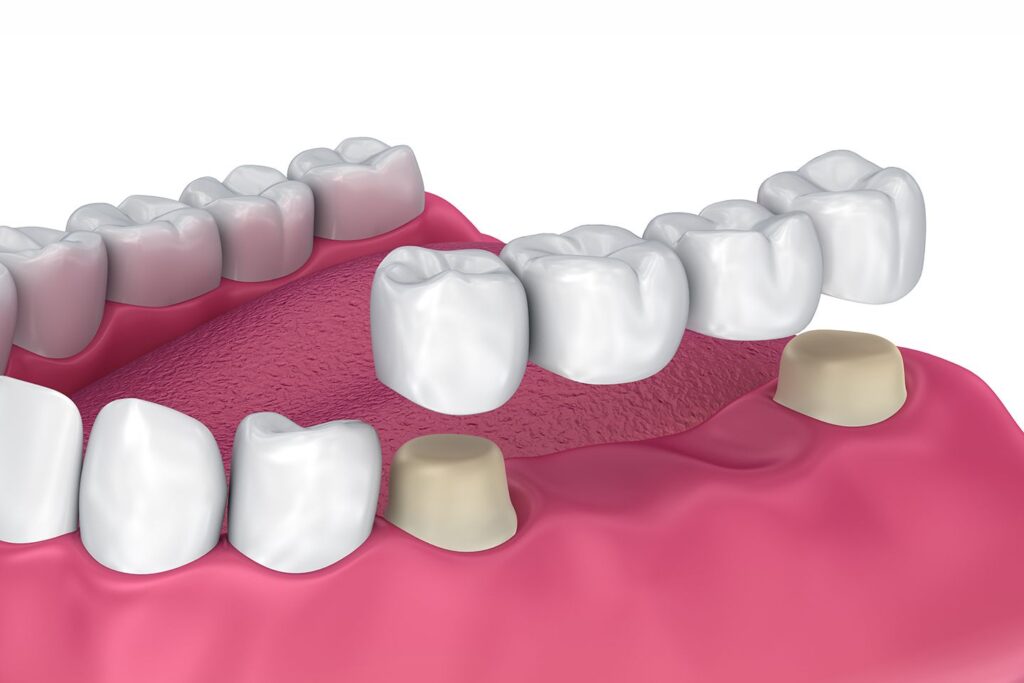
A dental bridge is used to replace one or more lost teeth by filling the space with artificial teeth. This prevents the adjacent teeth from moving, keeps the bite aligned, and improves chewing and speaking skills. Additionally, a dental bridge preserves facial structure and improves the overall look of your smile.
What types of Dental Bridges are available?
1
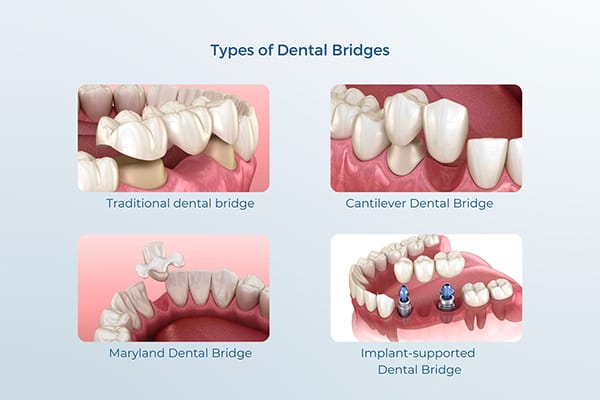
Traditional Bridge: Uses crowns on either side of the gap, with a false tooth in between.
2
Cantilever Bridge: Anchored by a crown on only one side of the gap.
3
Maryland Bridge: Uses a metal or porcelain framework bonded to the backs of adjacent teeth.
4
Implant-Supported Bridge: Supported by dental implants rather than crowns or frameworks
What types of Dental Crowns are available?
1
Ceramic Crown: Made of porcelain, ideal for front teeth due to natural appearance.
2
Porcelain-Fused-to-Metal Crown (PFM): Combines metal strength with porcelain aesthetics.
3
Gold Alloy Crown: Durable and strong, made from a mix of gold, copper, and other metals.
4
Base Metal Alloy Crown: Made from non-noble metals, offering high strength and corrosion resistance.
5
Zirconia Crown: Extremely strong and natural-looking, made from zirconium dioxide.
FAQs
The lifespan of dental crowns varies depending on the material used, proper care, and oral hygiene. Generally, dental crowns can last between 5 to 15 years or longer.
With proper care, dental bridges can last up to 10 to 15 years or more, depending on the type of bridge, the materials used, and the patient’s oral hygiene habits.
To care for your dental crown, you should brush twice a day, floss daily, use an antibacterial mouthwash, and visit your dentist regularly for cleanings and check-ups.
Getting a dental crown typically involves some mild discomfort, but your dentist will administer local anesthesia to numb the area and make the procedure as comfortable as possible.
Not everyone is a candidate for a dental crown or bridge. Your dentist will evaluate your oral health and determine if a dental crown is the best treatment option for you.
Root Canal(Endodontics)
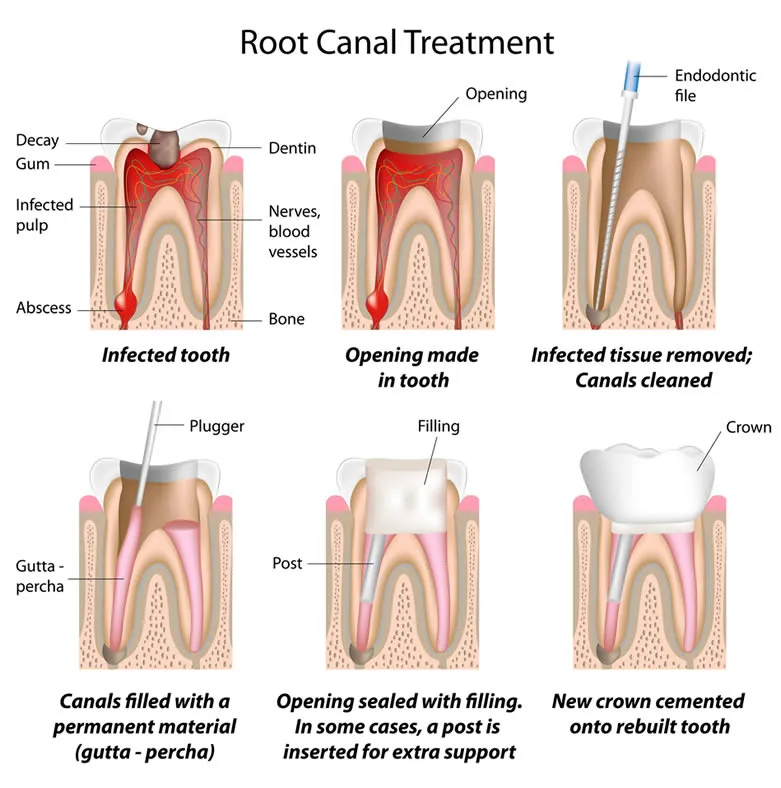
A root canal is a dental procedure that treats an infection or injury to a tooth’s fibre, which is the soft tissue inside the tooth. The therapy consists of removing the infected or damaged pulp, cleaning and sanitising the inside of the tooth, and then filling and sealing it to avoid further infection. This method preserves the normal tooth and relieves pain caused by the infection. Root canals are incredibly effective at preserving the tooth’s function and beauty. Following treatment, a crown is often placed on the tooth to enhance strength and protection.
The Main Symptoms of Root Canal
1
Severe toothache: It refers to persistent discomfort, particularly when biting or applying pressure.
2
Prolonged Sensitivity: Combines metal strength with porcelain aesthetics.
3
Discoloration: It is the darkening or discoloration of an impacted tooth.
4
Swelling and Tenderness : Swelling and tenderness in the surrounding gums.
5
Recurring Pimples on Gums : The appearance of pimple-like pimples on the gums around the impacted tooth.
6
Decay or Injury : Noticeable decay or injury to the tooth that causes infection or nerve damage.
Root Canal Treatment at Andhra Dental Hospitals
At Andhra Dental Hospitals, we specialize in providing high-quality root canal treatments to alleviate pain and save your natural teeth. Our certified staff are experts in this procedure, ensuring you receive the best care possible. Root canal treatments at our hospital are performed with precision and care, resulting in many happy clients who have successfully undergone the procedure.
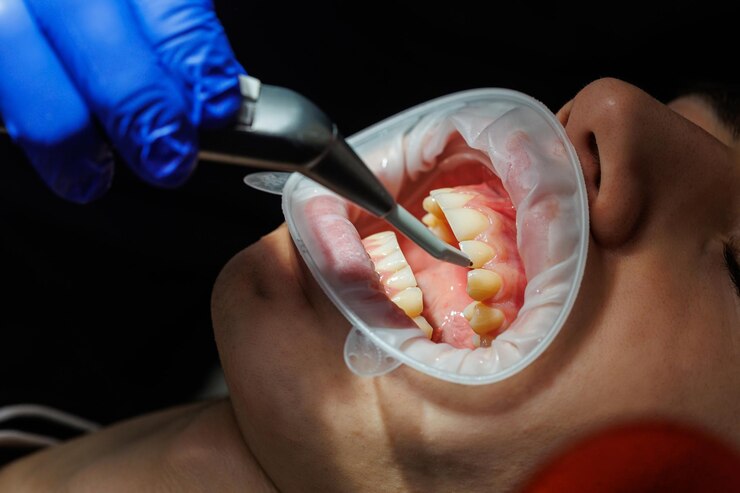

WHAT IS ROOT CANAL THERAPY?
Root canal therapy, commonly known as endodontic treatment, is a dental operation that treats infection in the centre of a tooth. This therapy is required when the pulp, which is made up of nerves and blood vessels, gets infected or injured. The technique consists of removing the diseased or damaged pulp, washing and sanitising the inside of the tooth, and then filling and sealing it to avoid further infection. Root canal treatment helps to keep natural teeth by avoiding extractions and preserving the tooth’s structure and function. It is often conducted under local anaesthesia to ensure the patient’s comfort. Following the procedure, the tooth is generally restored with a crown or filling.
What Are The Symptoms Or Signs That A Root Canal Is Needed?
1
Persistent pain : If you experience persistent pain in your tooth, especially when you apply pressure or chew, it could indicate that you need a root canal.
2
Sensitivity to hot and cold : If your tooth is sensitive to hot and cold temperatures even after the source of the temperature is removed, this could be a sign of root canal problems.
3
Gum swelling : If the area around the affected tooth is swollen, it could indicate an infection that may require a root canal.
4
Discoloration : A tooth that has darkened or changed color may be a sign that the nerve of the tooth is damaged and a root canal may be necessary.
Frequently Asked Questions About Root Canal Treatment
While root canals have a reputation for being painful, modern techniques and anesthesia make the procedure relatively painless. You may experience some discomfort after the procedure, but it can usually be managed with over-the-counter pain medication.
The length of a root canal procedure depends on the complexity of the case and how many teeth are being treated. Most root canals can be completed in one to two appointments.
You may need a root canal if you have a deep cavity, a cracked tooth, or an injury that has damaged the pulp inside your tooth. If left untreated, this can lead to an abscess or even tooth loss.
In most cases, it is recommended to get a crown after a root canal to protect and strengthen the tooth. A crown can also improve the tooth’s appearance.
A tooth that has had a root canal can last for many years with proper care.